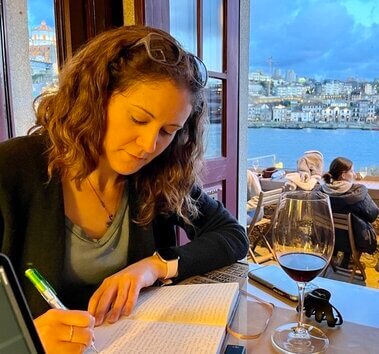
In the winter of 2022, I found myself on a mission to deliver myself to South America to travel with my partner Stephen’s family. Stephen and his brother opted to travel by way of Panama on a brother’s trip. I was excited to make a solo trip out of it!
Consulting the flight paths to Buenos Aires where we were supposed to meet, Lima, Peru caught my eye. I decided I’d take myself to see Peru for the first world and witness a world wonder: Machu Picchu! What started as an innocent trip would eventually turn into quite the escapade…
Planning the Trip
Part of the reason for feeling confident I could travel solo to Peru was the fact that Stephen had already completed his own pilgrimage to Machu Picchu. If he as a young college graduate could survive, then at 30 with proficient Spanish, I could surely handle it too!
First things first was planning the actual travel itinerary: flights into, around, and out of Peru. When would I fly in? How long would I stay? Was it cheaper to buy one flight at a time or all in one itinerary? I spent one lengthy afternoon with multiple tabs open in my browser with every possible airline option plugged into flights.google.com. To maximize my time, I opted for a late-night flight into Lima with an early morning hop over to Cusco.
Buses are another frequently utilized and affordable transit option in South America. But to get from Lima to Cusco, a $24 (S/90) bus will take you 24 hours to wind through the twists and turns of the Andes mountain range. For just $10 more, you can skip over the mountains with 1.5 hours of air time.
Maximizing my trip further, I even researched which side of the plane to sit on for the best view. When traveling east, a seat with a north or left-facing window is ideal for sick mountain views.
Given the close flight times, my emboldened sense of adventure, and www.sleepinginairports.net, I decided to sleep one night in the airport (as any young, cheap vagabond may do). The site boosted my confidence further reporting the airport was open 24/7 with plenty of dining options. Other travelers confirmed it was an airport capable of sleeping.
Lastly, I nailed down what I wanted to do while in Peru. Without Stephen there to require spontaneity and haggle every step of the way, I spent another afternoon considering Machu Picchu tour bookings. Again with tabs open, I consulted the routes. Hike the Incan trail for 3 days to Machu Picchu? Day trip only? Visit at sunset or sunrise?
I booked a tour with Inca Rail who could handle everything for me! Roundtrip transportation from Cusco to Aguas Calientes to actual Machu Picchu, and an English-speaking tour of the pueblo. All I had to do was find housing for one night in Aguas Calientes (the town directly below Machu Picchu).
Researched and booked over several weeks, I was able to sit back and simply wait for the adventure to begin.
The Solo Journey Starts
My first hint that traveling in Peru would be a different beast started while still stateside at the airport. As soon as the gate opened to board, a mass of people crowded around the entrance. Despite gate agents yelling out instructions in both Spanish and English, no one seemed to pay attention to their boarding group number. It felt like a free-for-all, everyone desperately attempting to get on that plane. No pushing or shoving, but personal space was lacking.
Amidst the chaos, I found myself seated next to a friendly local from Lima named Annabel. By the end of the flight, we exchanged contact information, her offer of support a comforting gesture in this unfamiliar territory.
Sleeping in the Lima Airport
The international section of Lima’s airport is quite nice! As lovely as any other international airport you’ve seen. Flying from Lima to Cusco would be a domestic flight, though, requiring me to exit the airport completely. Despite reading it was common for people to sleep at this airport, I wasn’t expecting all the walls to be filled with bodies!
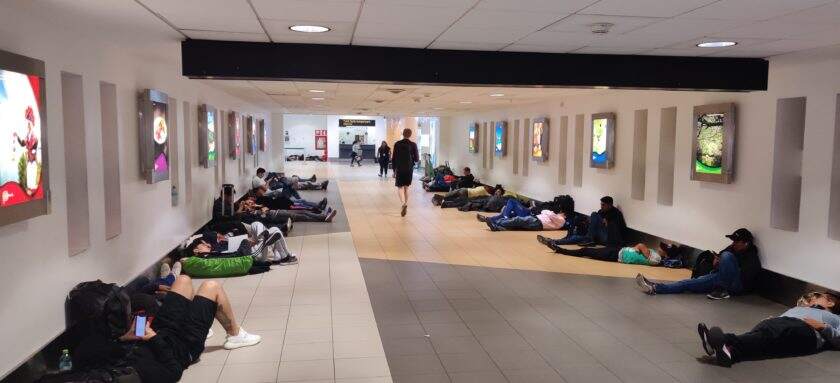
Turns out everyone else also had the wise idea to sleep at the airport. Both Andean and international bodies lined the walls outside security. It felt like a natural disaster had just happened, like I was walking through a relief operation, a displaced person myself amongst other lost souls. It wasn’t scary, in fact, it quite normalized the idea of sleeping at the airport. But this was a second sign that Peru is simply different.
Lima has strict entrance rules on when you can actually re-enter. You’re only allowed past security 2 hours before a domestic flight or 3 hours before international. So I strolled back into the building ready to find my snooze spot.
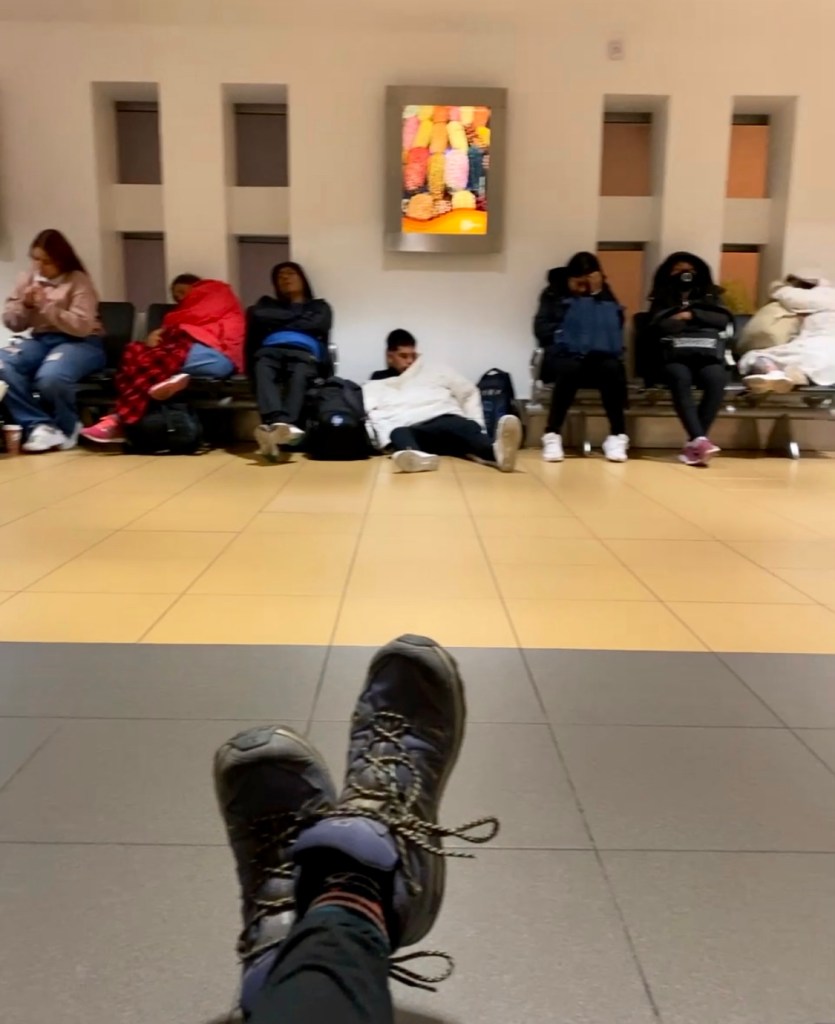
I claimed a site between two benches and rolled out my travel yoga mat. Zipping my wallet, passport, and phone into my jacket pockets, I donned my eye mask, earplugs, and noise-canceling headphones to tune out the fluorescent lights and airline announcements. I could not however fully block out the hard floor and woke every 30 minutes or so with one of my hips tingling. It was one of the worst nights of sleep in my life, but I survived (and saved money on lodging!). Would I do it again? Yes, actually, I would end up sleeping in this airport again weeks later.
Morning Mishap
The next morning, I swapped my dollars for soles (the Peruvian currency, pronounced so-lays) and set off in search of security. Miscalculating the security entrance, I stumbled upon my third clue that Peru would be next level.
Riding down an escalator, I spotted security guards below holding back a large group of people. To the left, a fully geared bomb squad was setting up a perimeter around an abandoned suitcase. They wouldn’t allow me to simply ride the other escalator back up so I waited with bated breath with everyone else to see what would happen. Per my journal:
“I accidentally stumbled upon a legit bomb squad going through their protocol to assess if an abandoned suitcase was truly a threat. Like a guy slowly approaching this suitcase to see if it exploded.”
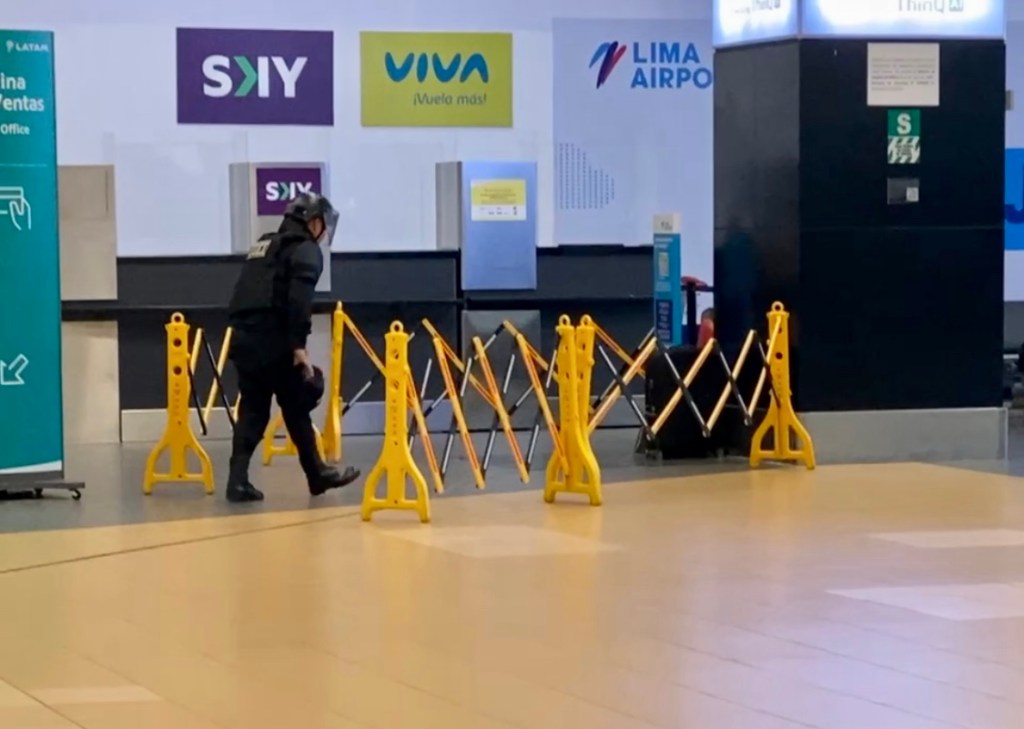
Fortunately, nothing exploded. They conducted their cautious drills within 10 minutes, eventually determining everything was safe and allowing people to mill about once more. “Where am I?” I thought to myself. I scurried off in search of my flight, ready to leave this airport.
Cusco, Peru
The brief trip from Lima to Cusco offers breathtaking views of the Andes mountains to the north (again if you sit with a window to your LEFT), a preview of the natural wonders awaiting me. My neck craned constantly towards the window taking in the intense peaks and narrow valleys below. The land changed from flat and brown, to white and blue peaks, finally settling in shades of orange and green in Cusco.
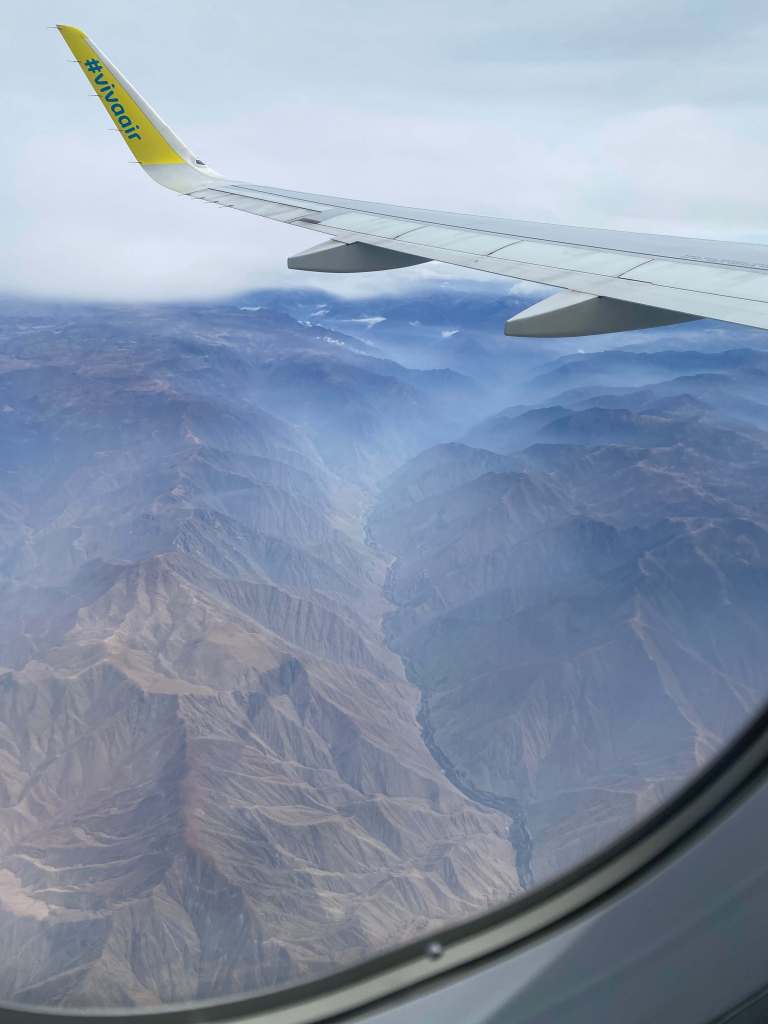
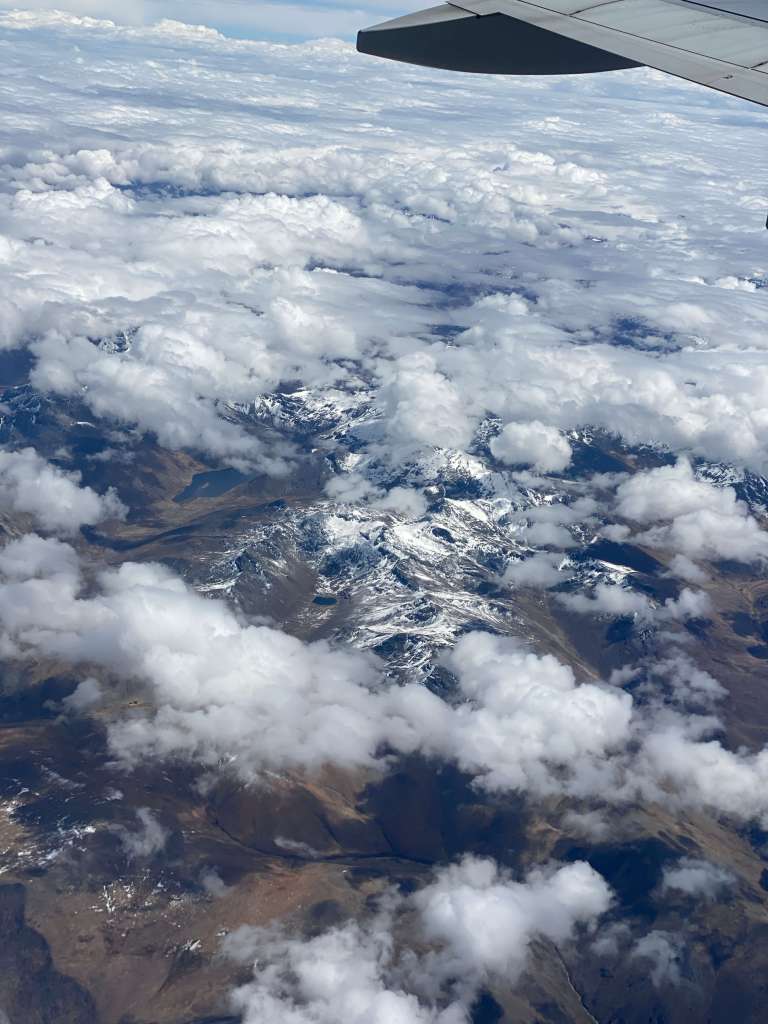
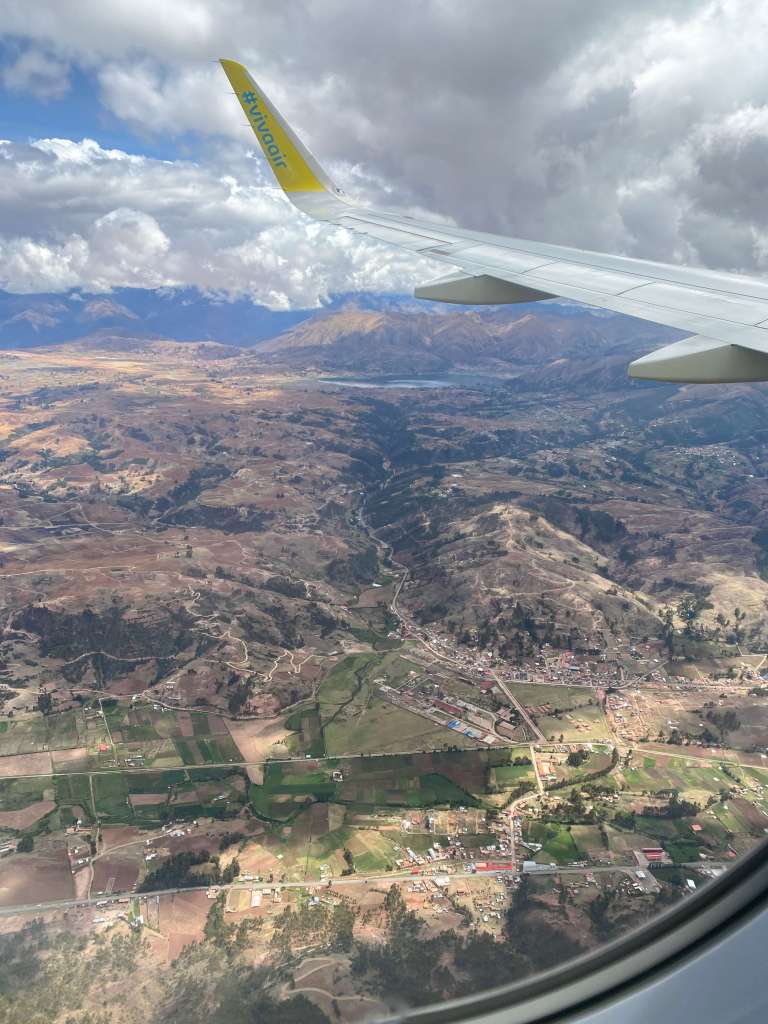
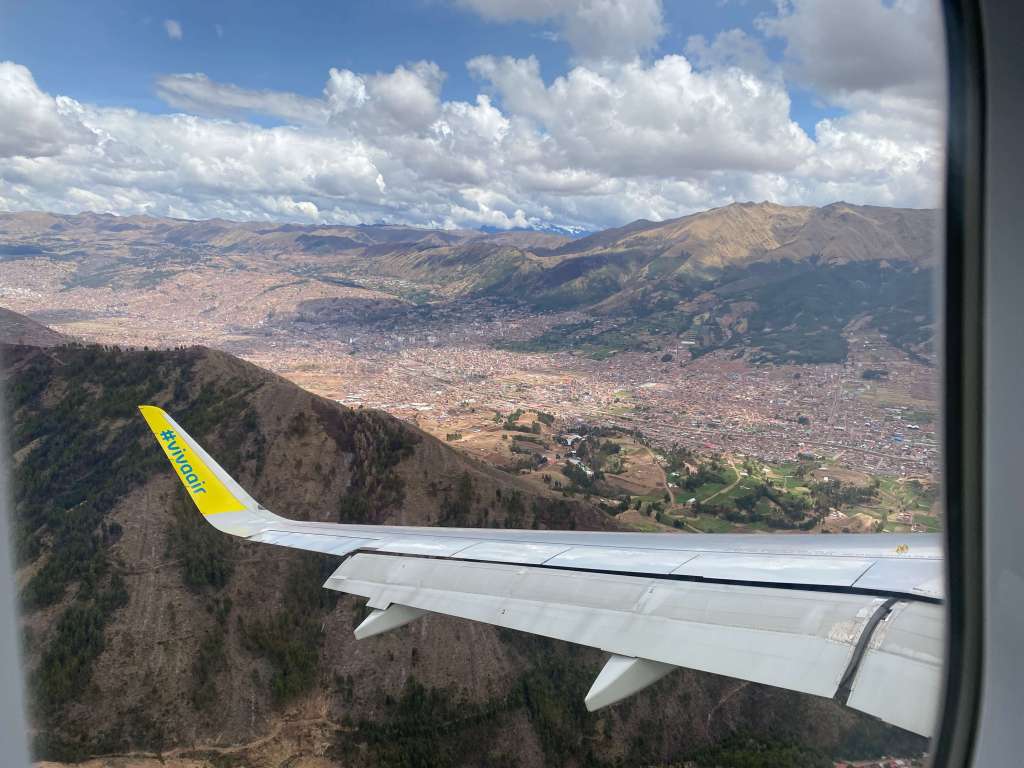
Landing in Cusco felt as if the plane barely touched down from its cruising altitude. Like I was entering a city in the clouds (or “nubes” noo-bays in Spanish).
People warn you about altitude sickness. Given my frequent trips to mountains back home, I thought elevations of 6,000 feet (~1,900 meters) would prepare me for high elevation. Turns out 11,150 feet (3,400 meters) is no joke! Breathing felt fine but walking up the smallest of hills with my loaded pack left me shaking and dizzy. Per my journal:
“So how real is altitude sickness? Well, I get incredibly winded going up any incline or stairs. And I’m struggling to speak as well as write apparently. My mind feels dulled. I could barely communicate well to a shopkeeper.”
The locals adamantly encourage coca leaf consumption for natural treatment. I found the tea mildly effective when consumed frequently. Chewing coca leaves also helps but is very bitter. Typically, you should allow 2-3 days for your body to acclimate to the higher elevation before doing anything strenuous. You can also visit oxygen lounges or medical centers.
Centro Histórico in the northwest part of town offers pleasant streets, dining, and lodging. A taxi from the airport should only cost you S/15-20 and NOT the S/45 I paid plus S/5 “propina” (the word for “tip” in Spanish – darn, had I learned nothing from Stephen?!).
Highly recommend Green Point Vegan Restaurant for upscale plant-based dining.
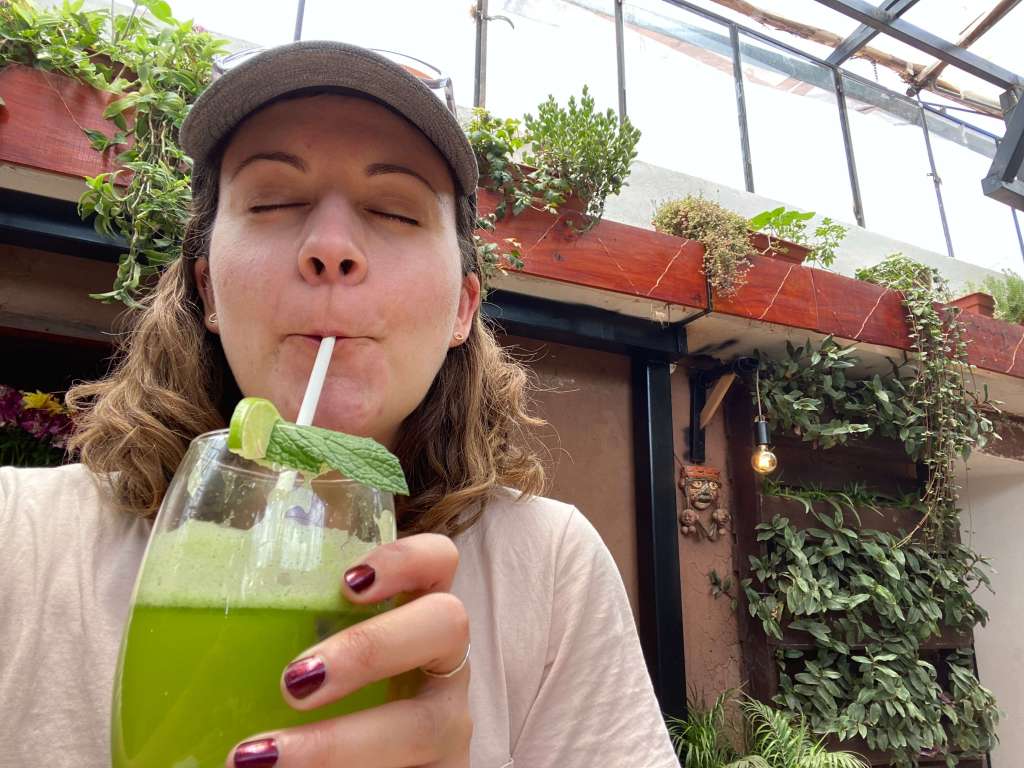
Despite the altitude headaches, I felt quite safe and relaxed in Cusco! This time around, anyways…
Journey to Aguas Calientes with Inca Rail
Upon meeting up with Inca Rail, they gave me all the necessary tickets and passes for each phase of my tour. We left Cusco by van to the north. Built into a valley, you have to drive up and up over the surrounding mountains to leave the city. Again I watched the mesmerizing landscape out the window, changing now from city to mountains.
We passed brown buildings with colorful rooftops, streetside markets, and llamas. Delightful pan flute music drifted through speakers offering historical tales of Cusco. None of which I committed to memory, unfortunately, but I was charmed and entertained.
Halfway to the Ollantaytambo train station, they let you out for a bathroom break with an amazing view. Keep your eyes peeled for great condors circling overhead. And have your soles ready for handmade crafts offered by local women in colorful skirts.
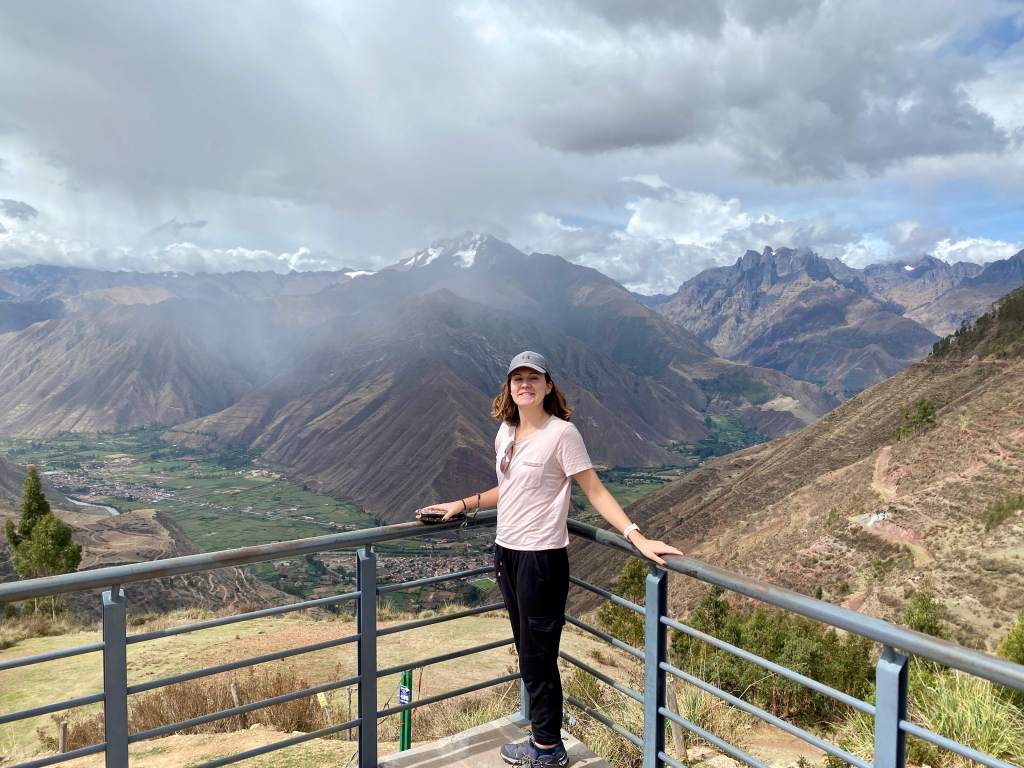
The shuttle delivered us to Ollantaytambo, another Peruvian town popular for Incan ruins, trekking, and even mountain biking. It also houses the final train station to take you into the jungle where Machu Picchu dwells.
Once boarded, I watched the landscape change yet again. From dry, yellow mountains to red dirt with blue snow-capped peaks high above amongst the clouds. The train eventually emerged from the overgrown jungle to a station at the base of a lush green mountain.
The Aguas Calientes train station greets you with a maze of stalls full of colorful, textured goods for sale. Burgundy ponchos, braided jewelry, patterns of reds, yellows, blacks, and teal. Stuffed lamas, bags, purses, carvings, and crafts hanging overhead. Inca Rail arranged for someone to greet me at the train station and help carry my bags across the bridge into town, and up the steep streets to my hotel.
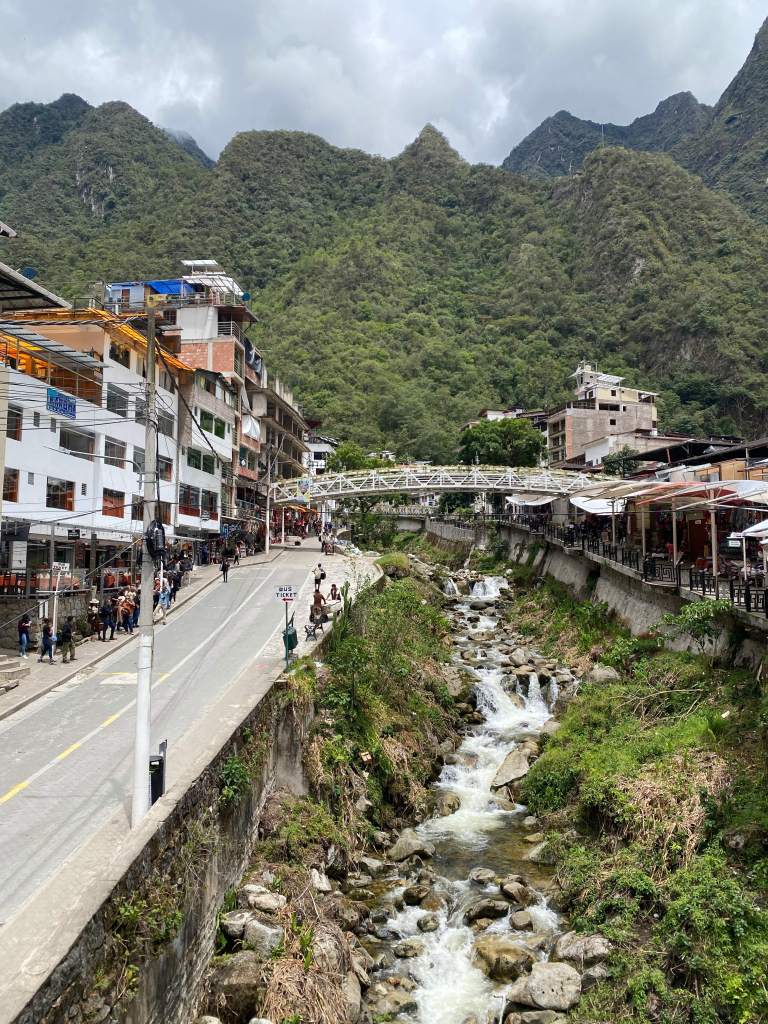
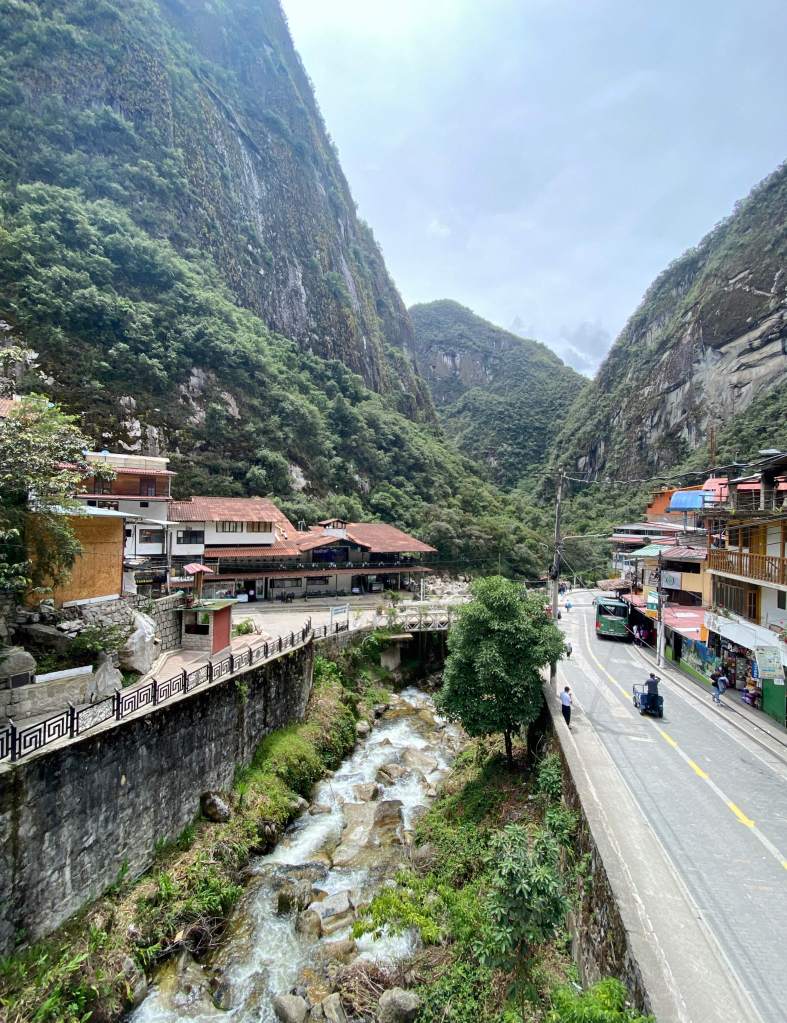
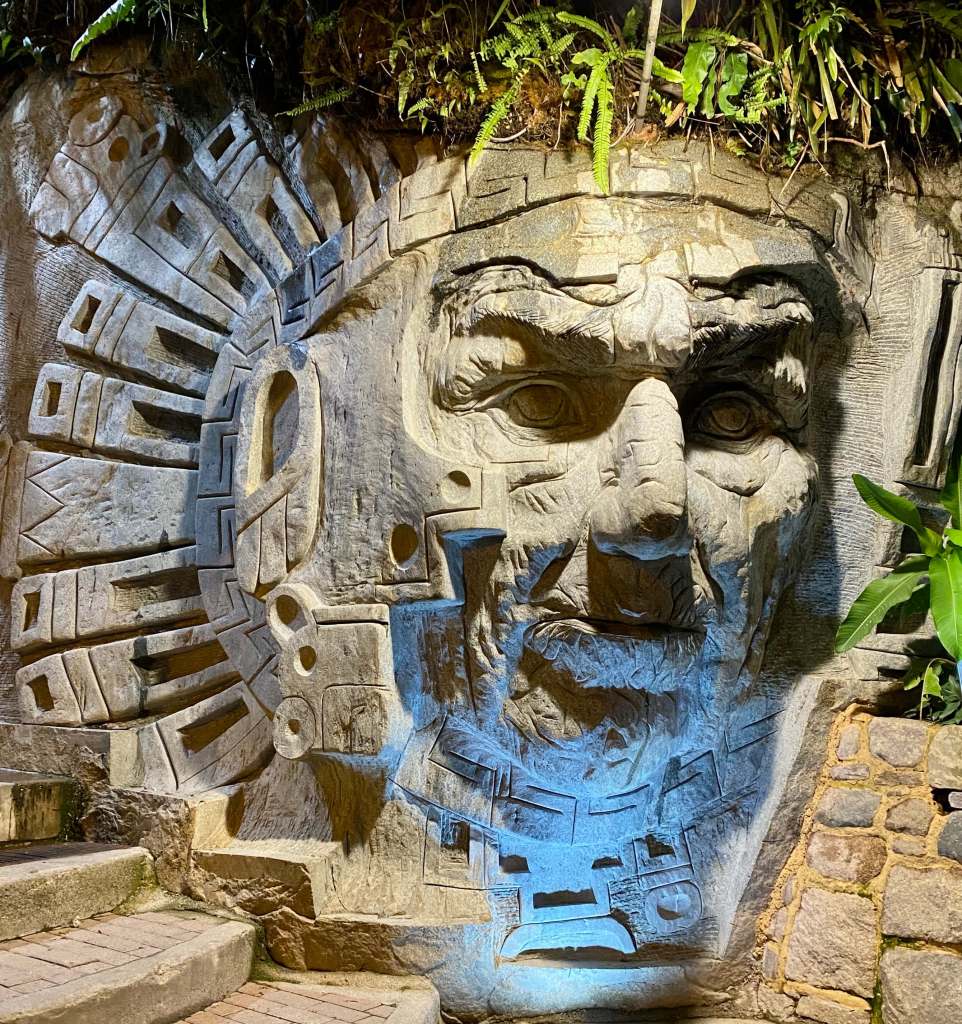
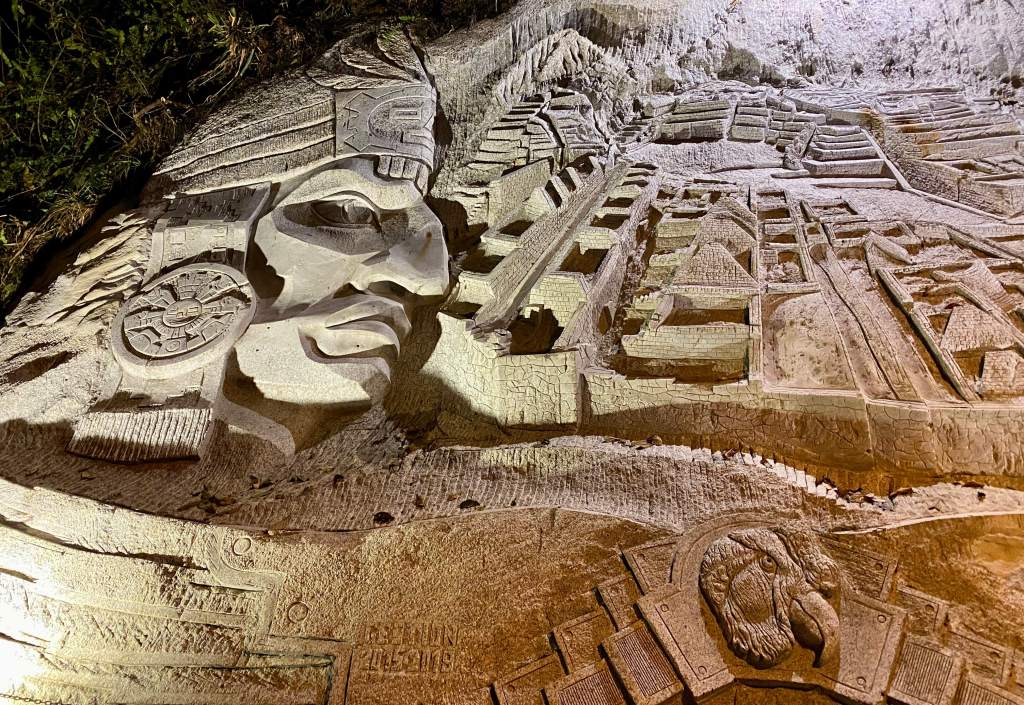
Walking up the hilled streets with their many stairs, I looked around at the small pueblo. White buildings nestled into a mountain base. Around every corner were unique stone carvings of faces and animals. There was a sacred energy to it. An excitement that you were witnessing something truly unique and cherished.
Through Airbnb, I spent the night at Peru Coca B&B. Given the pueblo’s small size, it’s hard to pick a bad spot. But this bed and breakfast was closest to the hilltop hot springs for which the town is named (“aguas calientes” awk-wass cal-ee-in-tays in Spanish translates to “hot waters”).
Peru Coca B&B offered breakfast for free, an amenity I prefer when traveling to save time and energy on food each day. Unfortunately, the tip to run the water 5 minutes to get warm did not work here and I had to settle for a frigid washcloth rub down. You have been warned! Parts of Peru cannot guarantee hot water. (But it DOES guarantee amazing views).
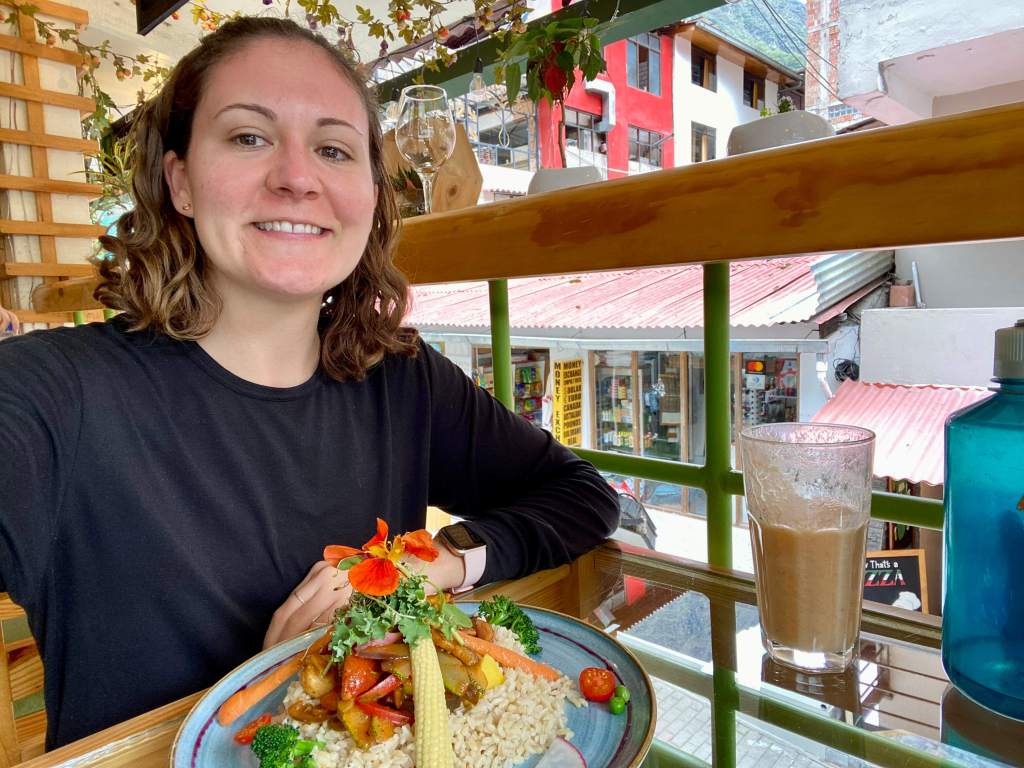
Thoroughly enjoying my search for vegan dining at cutesy restaurants, I enjoyed another vegan dig: Green House Restaurant.
Touring Machu Picchu
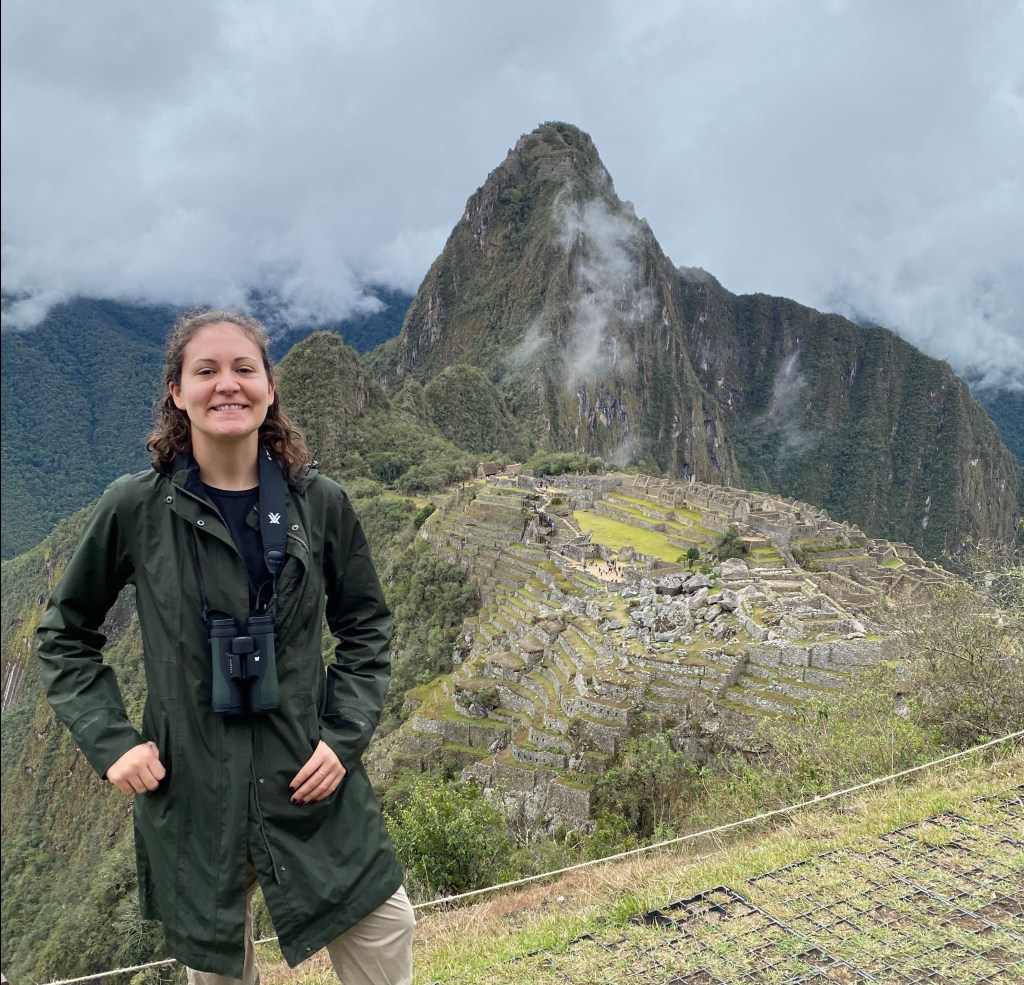
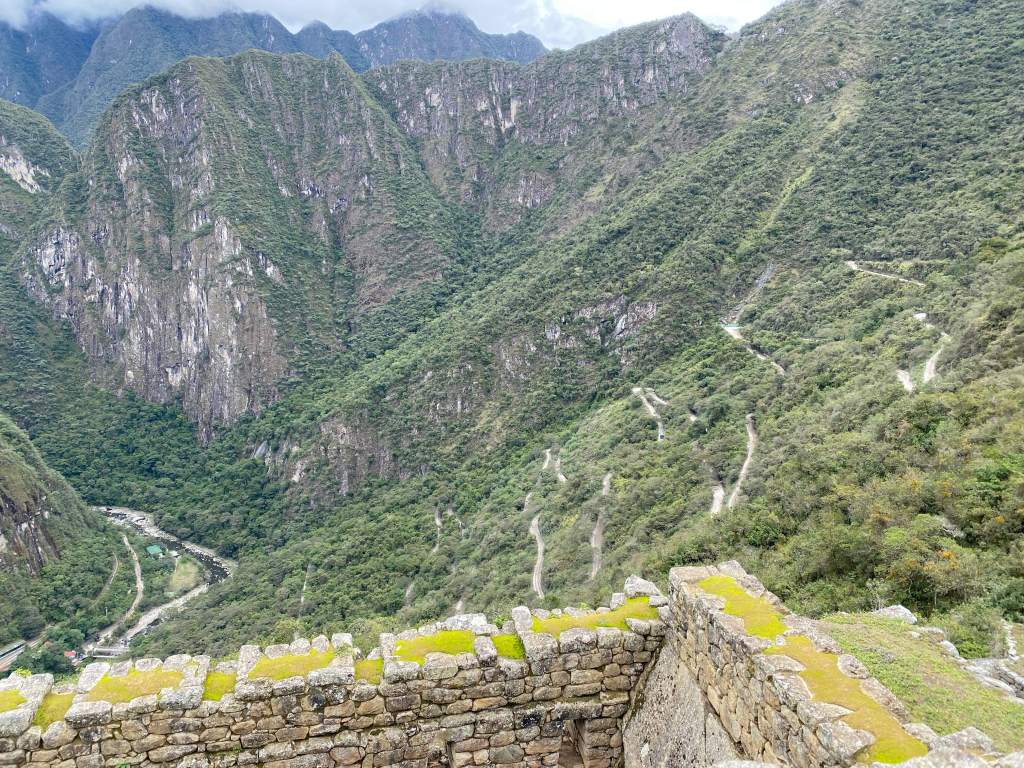
There are actually several routes to Machu Picchu, but the easiest is a 20-minute shuttle up the winding road from Aguas Calientes, the only nearby town. A ride costs you $24 (S/90) roundtrip or $12 (S/45) one way. If you are mobile and prefer an epic payoff, you can hike for free up 1400 feet (426 meters) of stairs and back down. And for the most adventurous, you can take 3-4 days to hike the Incan Trail. Stephen actually did a 4-day adventure tour with biking, rafting, and hiking to Machu Picchu back in 2016.
Fortunately, my one-time payment to Inca Rail included park entrance, a roundtrip shuttle, and an English-guided tour with Julio who ended up being an excellent photographer and teacher.
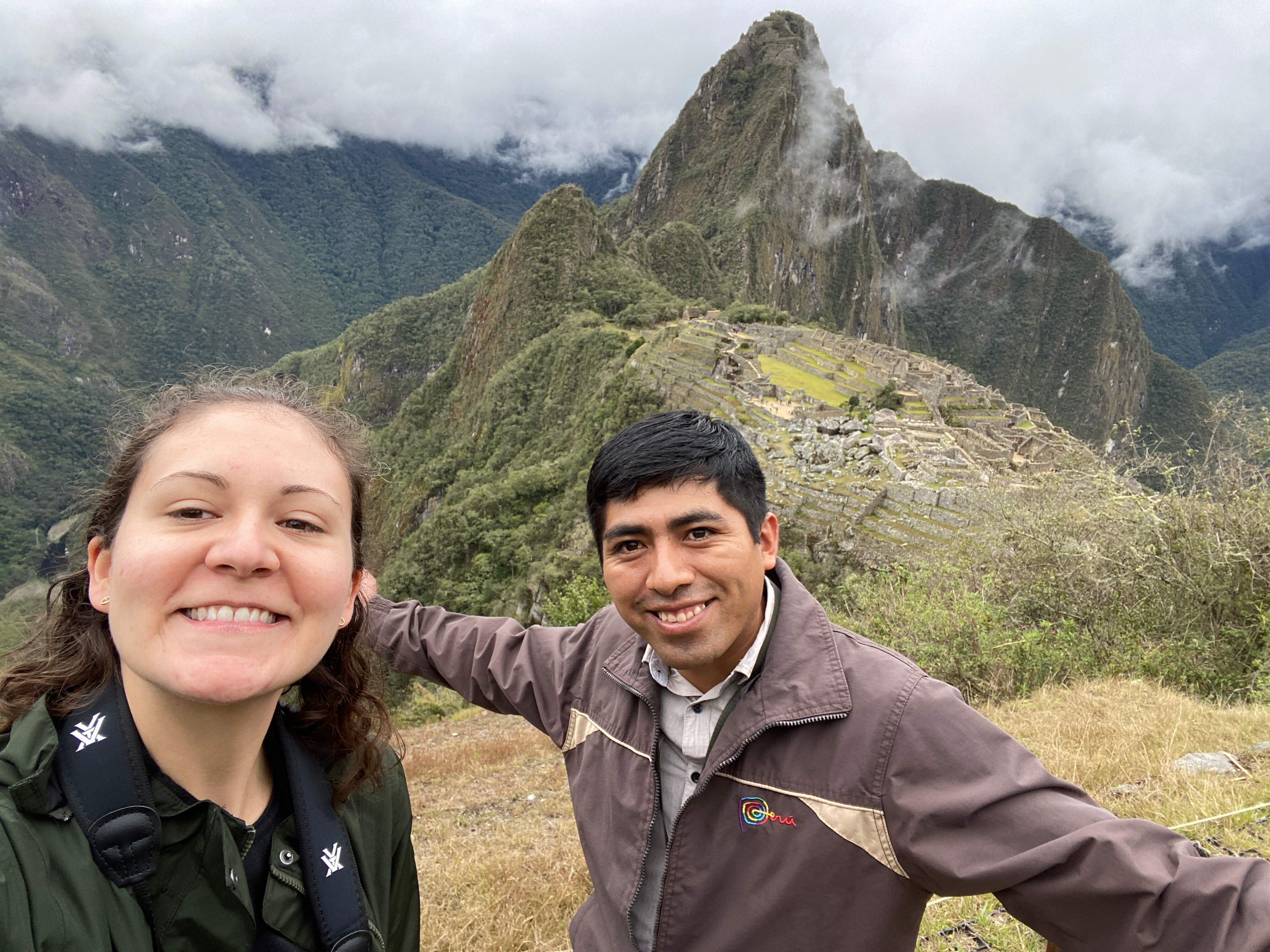
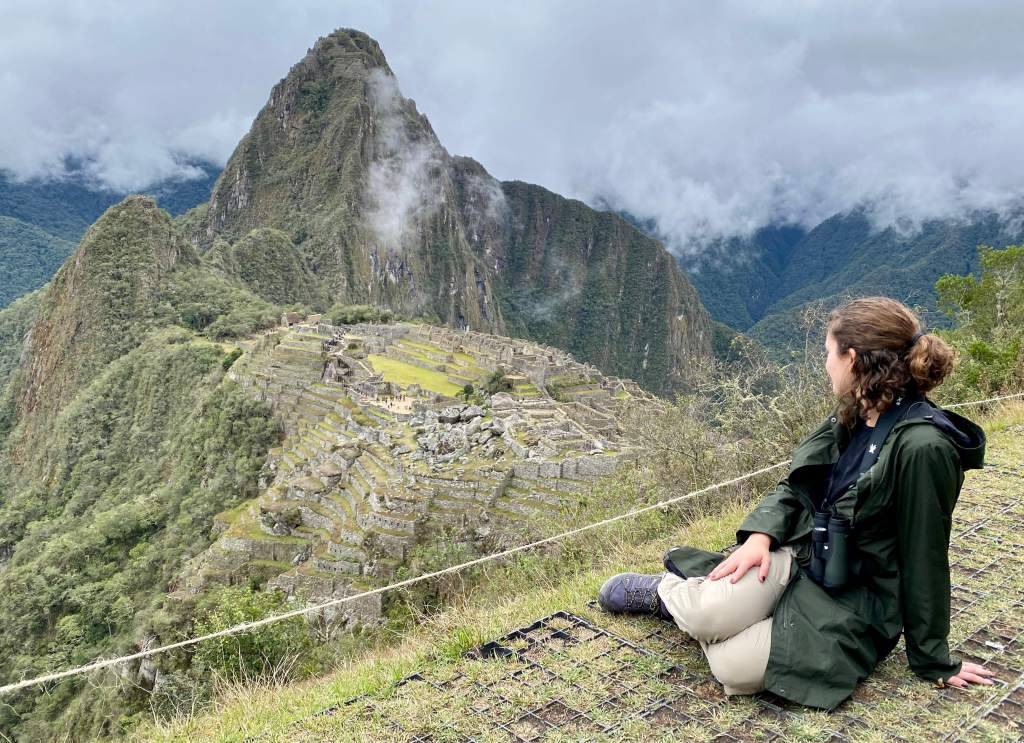
This sacred Incan city was thriving in the fifteenth and sixteenth centuries but was abandoned under Spanish conquest and left as ruins lost to the jungle. I was surprised to learn that I’d be visiting this world wonder just a century after it was re-discovered.
An American historian named Hiram Bingham III stumbled upon the ruins in 1911. He helped excavate the site and bring Machu Picchu onto the world stage. Now anyone can tour it nearly any day of the year for $41 (S/150). Or for free on Sundays for Peruvian citizens.
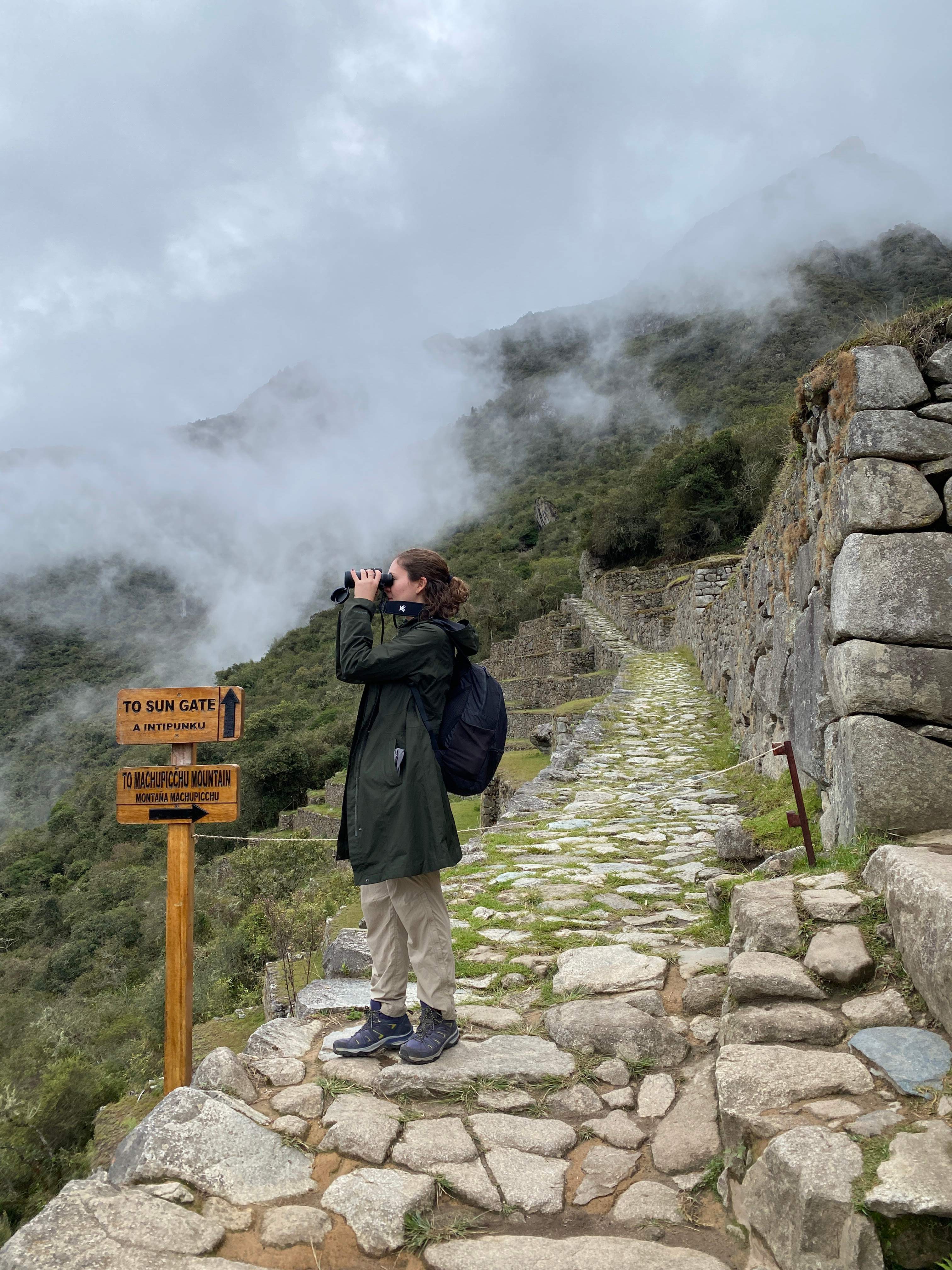
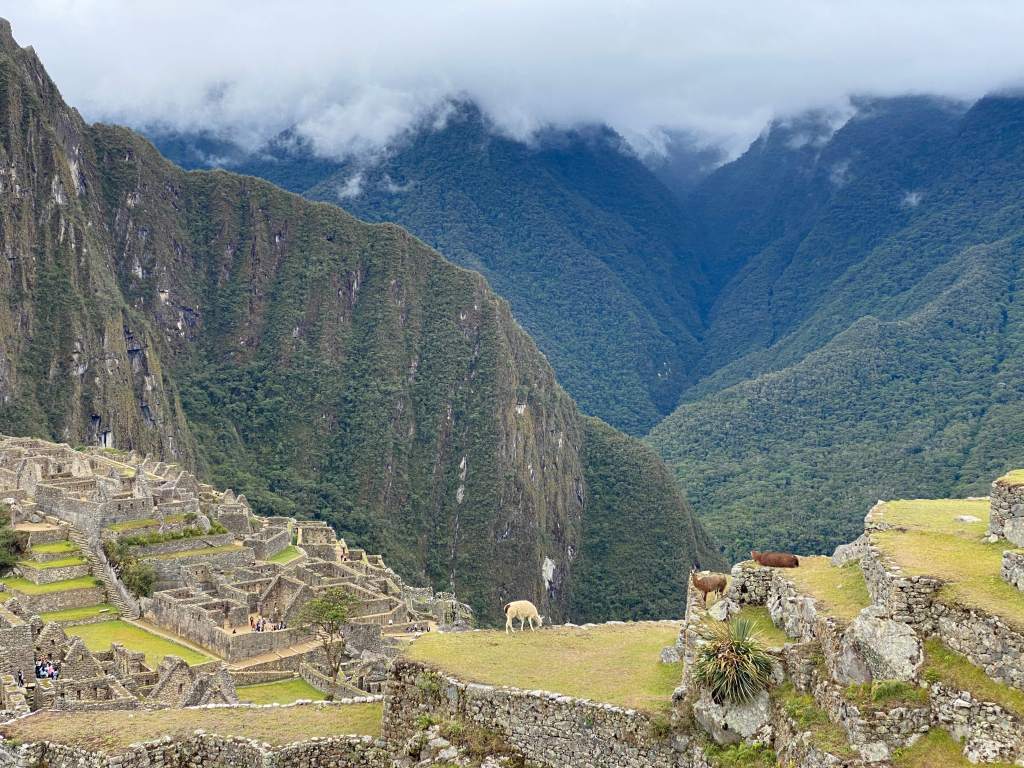
Our tour started at the top with a brief climb over the ancient terraced farming where llamas still graze. It allows for a great view of the scared city beneath. Machu Picchu translates roughly to “Old Mountain” in Quechua, the language of the Incans. It is literally a city carved into a mountain made completely from the natural resources available underneath it.
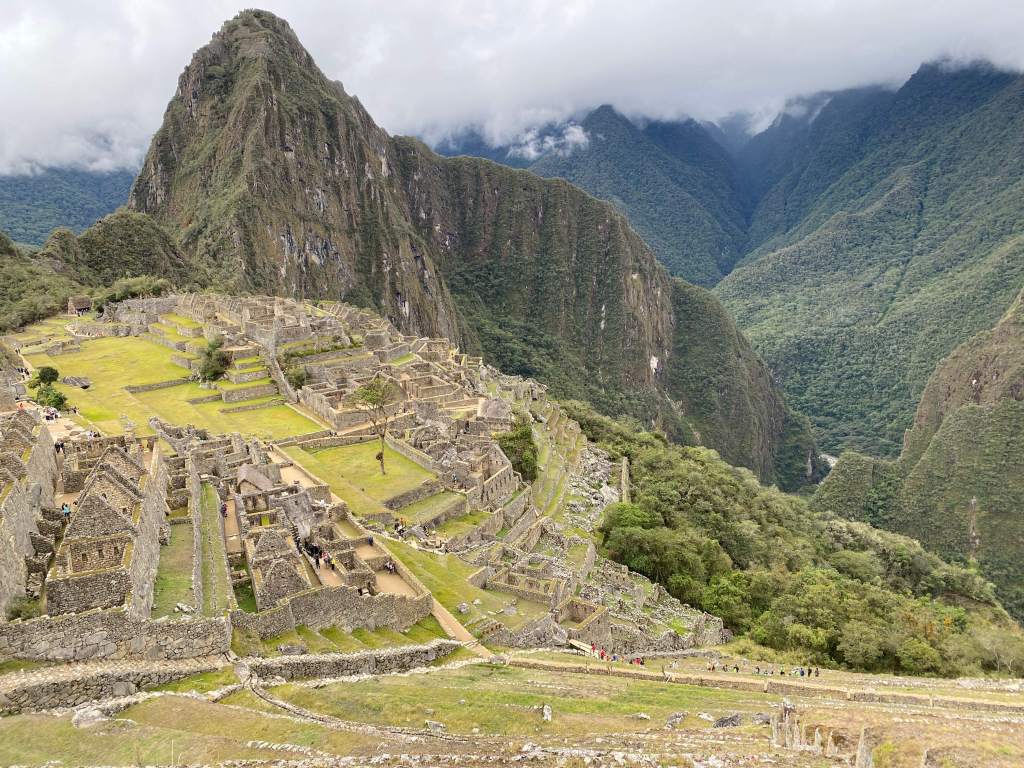
It was truly magical to witness how the Incans essentially used the earth and its natural offerings to build homes and a city made of stone, dirt, and grass. How they molded themselves into the mountains they worshipped. Machu Picchu was carefully chosen for its spiritually significant location. It is surrounded on all sides by great “apus” or mountain peaks they consider to be gods. A humble Amazonian tributary trickles way down at its base.
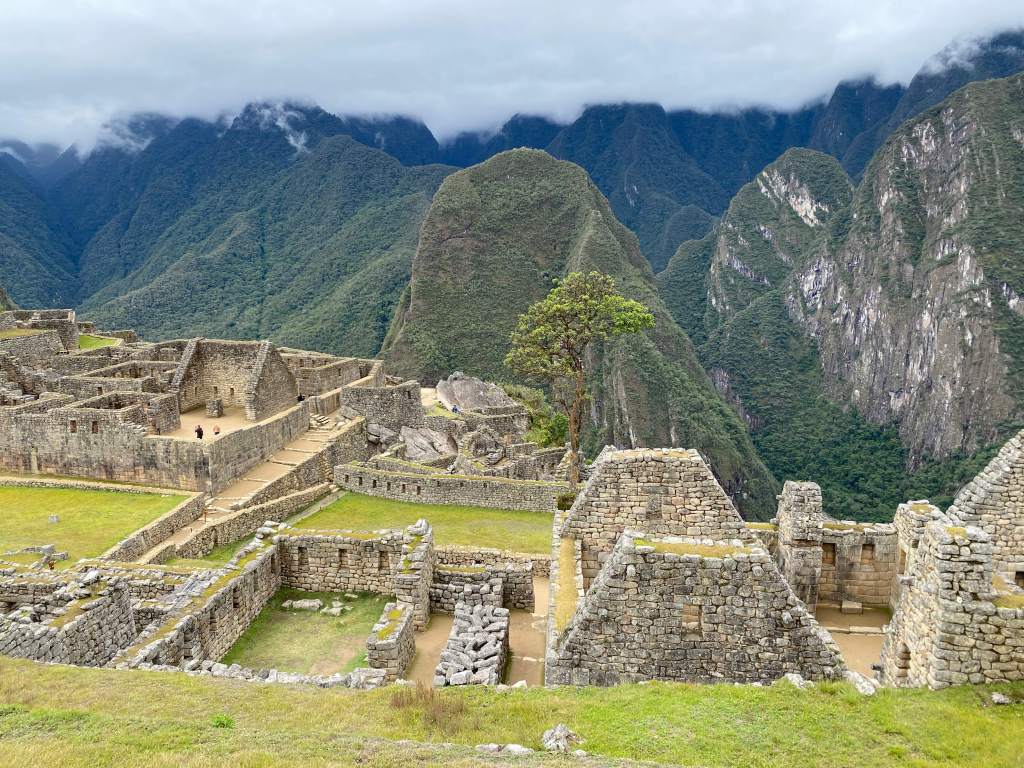
Machu Picchu in its prime housed Incan royalty and nobles. Incan people from all over the continent would make a pilgrimage here for its religious significance and many temples.
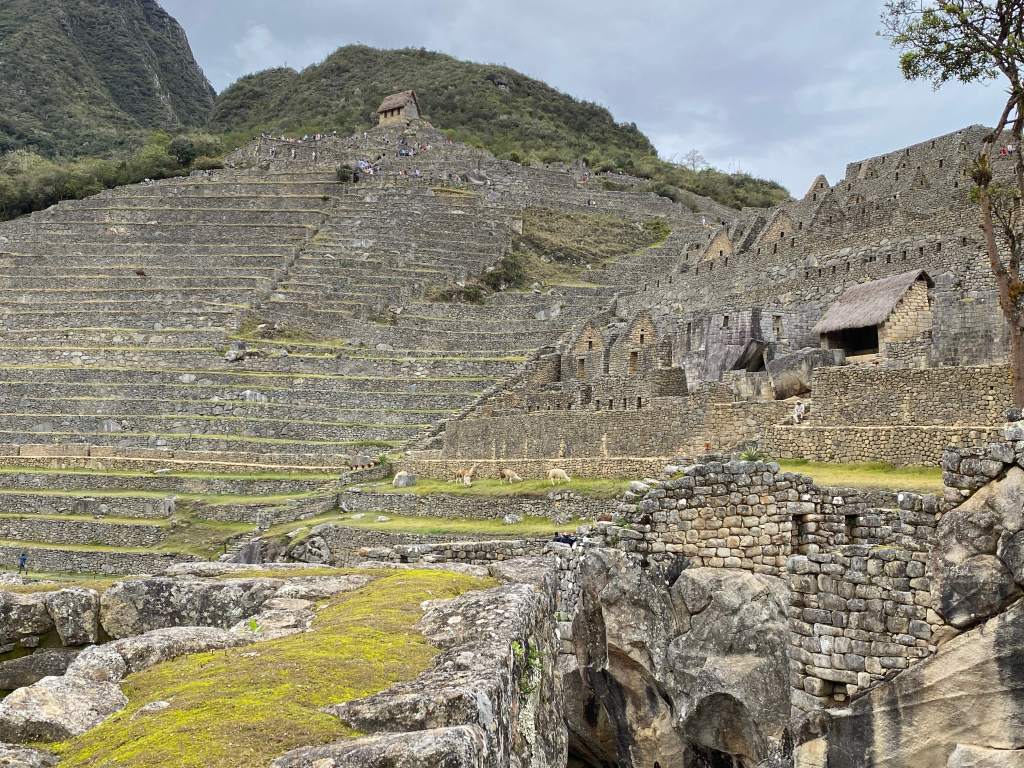
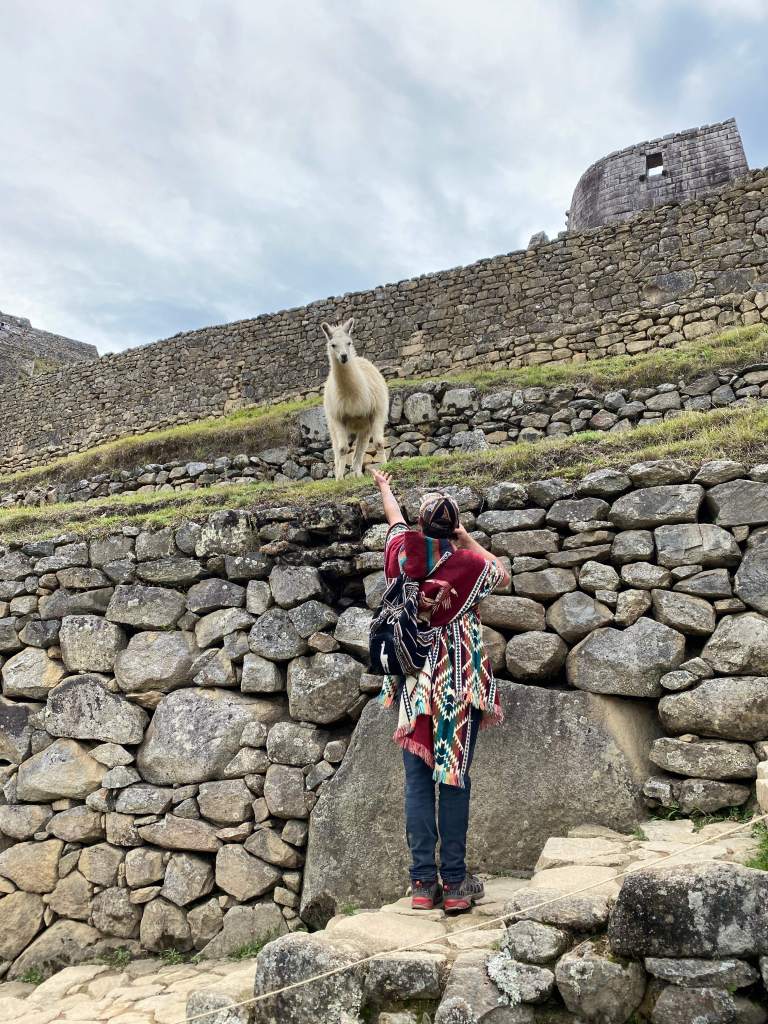
My tour included only a walk through the city. If you’re not afraid of heights, you can pay extra to hike all the way up to Huayna Picchu (aka Wayna Picchu), the iconic peak above Machu Picchu. This is where the high priest lived and includes a moon temple. Julio told me that to enter the temple, you must go through a rock feature shaped like a vagina as if entering Mother Earth’s womb – or “Pachamama” as the Incans called her.
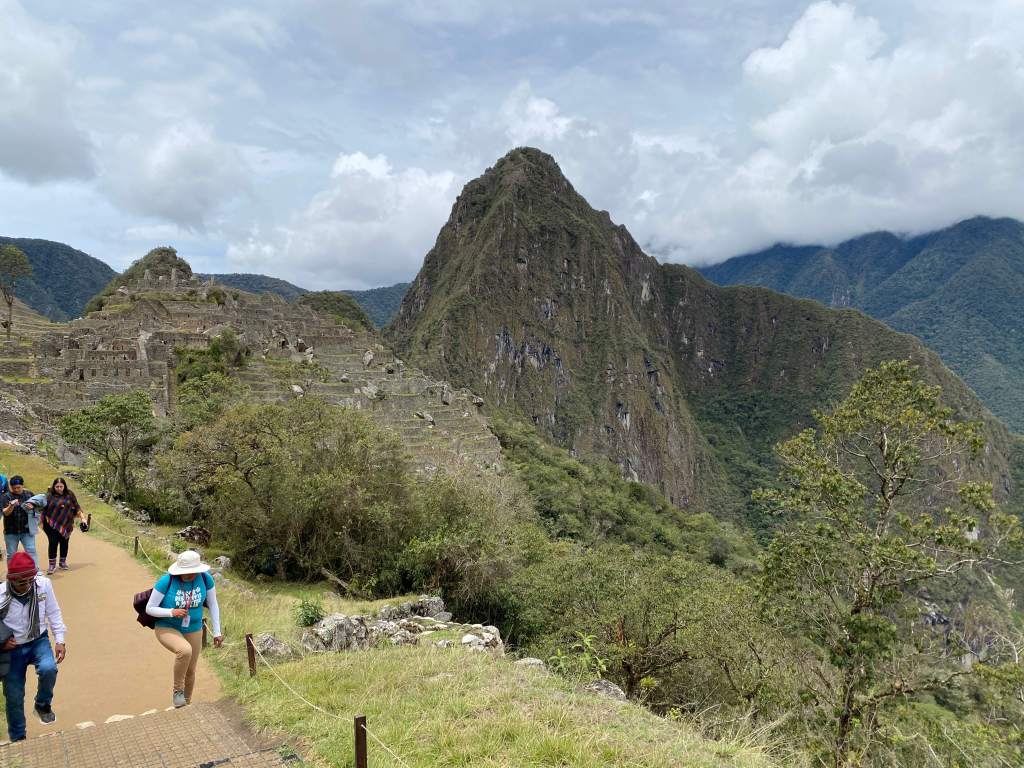
While I learned a lot from Julio, I failed to properly document my lessons learned. To read a more accurate history of Machu Picchu, I highly recommend learning more about it! The history of Peru and the religious beliefs of the Incas are fascinating.
For further reading:
Meaning of Machu Picchu by Machu Travel Peru
Machu Picchu by Britannica Encyclopedia
Peruse through the many blog posts from Inca Rail
Seeing the ancient city was merely a taste. I didn’t even bother climbing the steps from the modern village below. Next time, I’d like to actually hike the Incan trail, taking the path all the way through the mountains on foot and with llamas. Reach Machu Picchu just as the Incans once did, interacting with the jungle and mountains along the way. With cloudy weather, I was fortunate to avoid the heat and bugs, but some of the epic mountain views were blocked.
Read more about the Inca Trail trek from Inca Rail
The End?
Visiting Machu Picchu was a significant highlight of all my travels. Peru, while poor in infrastructure is rich in natural wonder. I was proud of myself for taking the leap of faith and journeying all the way there on my own. While no one else shared my experience at the time, this allowed me to truly absorb everything happening around me.
Once the tour was complete, I made my way back to the train station to return to Cusco, smiling the whole way. Little did I know I would be one of the last tourists to leave Machu Picchu by train before Peru experienced a political uprising catapulting it into a state of emergency. But, more on that soon…
 Stroll with Nicole
Leave a comment